Decomposed 100+ self-contained Lens Studio templates into a modular asset library, so creators across every skill level could compose new work instead of inheriting old patterns.
Context
Lens Studio's creators span the full skill range — and they all enter the platform through templates: complete, self-contained AR experiences you open, study, and learn the platform from.
- No-code creator
- Brand / marketer
- 3D designer
- Expert developer
The problem
Templates are great for learning. They're broken for building.
 Hair Color
 Portrait Relighting
Each template is an all-in-one, opaque bundle.
The moment a creator graduated from learning to making their own project — pulling the physics from one template into a Lens that used voice UI from another — the complex, interlinked setup of each template became the wall. Creators without an engineering background — which is most creators — hit this wall first and hardest.
Why decomposed assets, not better templates?
The instinct was to simply migrate the templates. Existing LS4 creators would find what they knew, in the same shape. Comfort.
| Templatesseed similar work | Componentscompose new work |
|---|---|
| Each template is a finished destination | Each asset is a building block |
| Variations on the same Lens, over and over | Encourages new effects and lens variations |
| Comfort, but locked-in outcomes | Higher learning curve, unlocked outcomes |
I argued for the harder path: break the template-first mental model. Templates step back from the building surface; modular assets step forward.
Templates teach a platform. Components build on it.
The brave part wasn't the architecture — it was telling LS4 creators to leave years of muscle memory behind. To soften that shift, the new asset architecture borrowed the two design cues creators already used to recognize and scan templates: the screenshot-icon and the technical name.
 Marker template
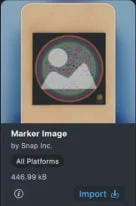 Marker Image asset
For new creators — people without LS4 history — the mix-and-match-able building blocks are simply the starting point. They never have to unlearn anything.
The migration
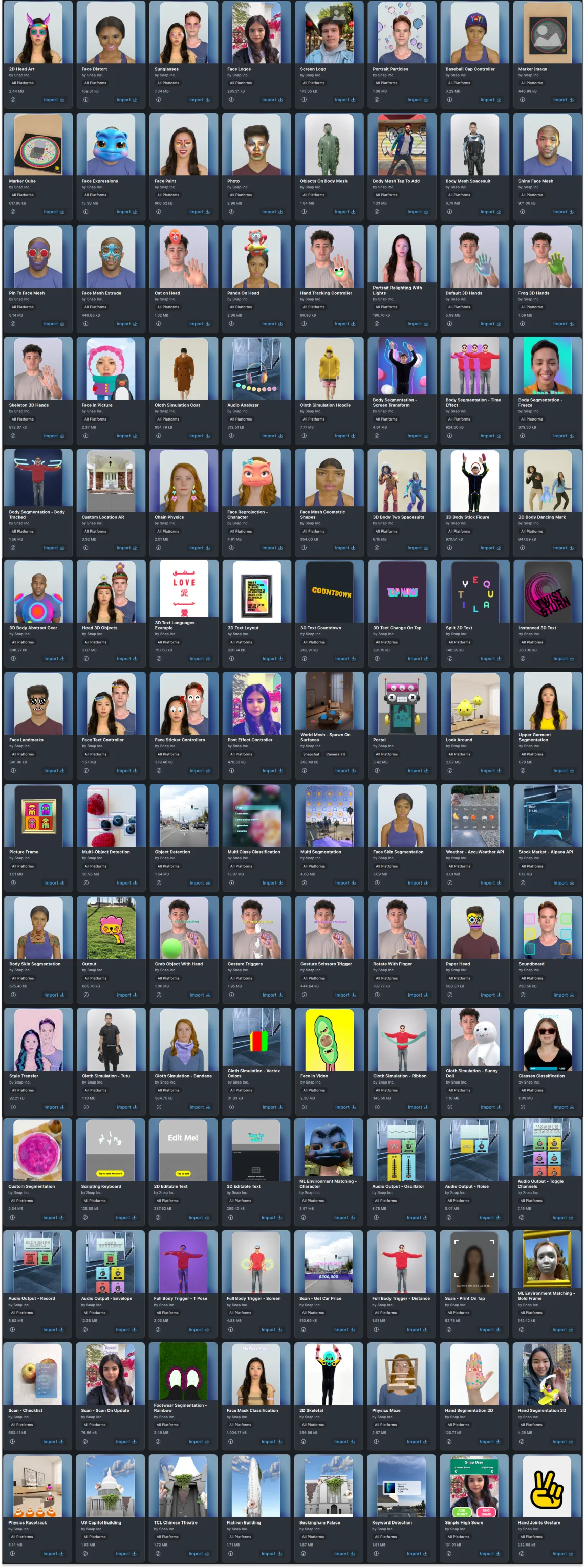
I led the cross-team Lens Studio 4→5 platform migration across graphics, AR engineering, and feature teams. We decomposed 100+ legacy templates into reusable components and assets — building blocks that snap together cleanly across every kind of creator.
Outcome
A platform-wide content architecture shift shipped to the Lens Studio creator ecosystem. The 100+ asset Asset Library grew out of this work, including primitives like Behavior Script (trigger/response without code) and Tween Manager (animation without code) — adopted as core building blocks used by the majority of Lens Studio creators.

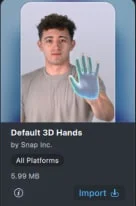


One tracking capability, three themed variants. Creators picked the art direction without forking the underlying template.
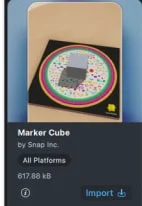
Marker exposed as two composable variants — Image and Cube — instead of two separate template forks.

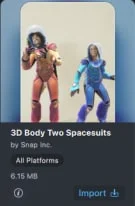
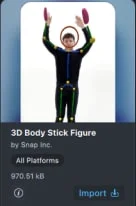
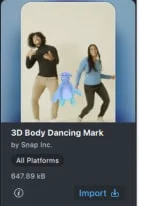
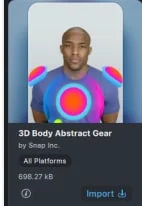
3D Body decomposed into four ready-to-use variants. Each one a starting point creators could remix.






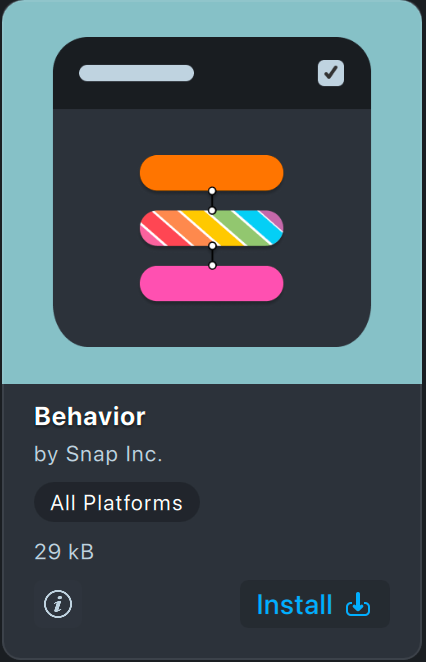
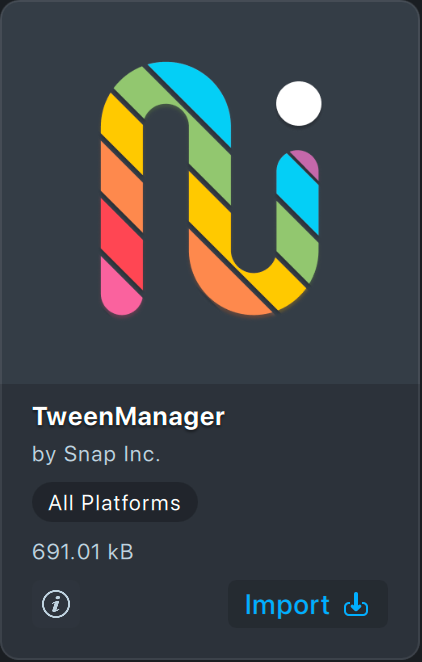
Behavior Script and Tween logic lived duplicated inside every legacy template — every fix had to be re-applied across 100+ places.